
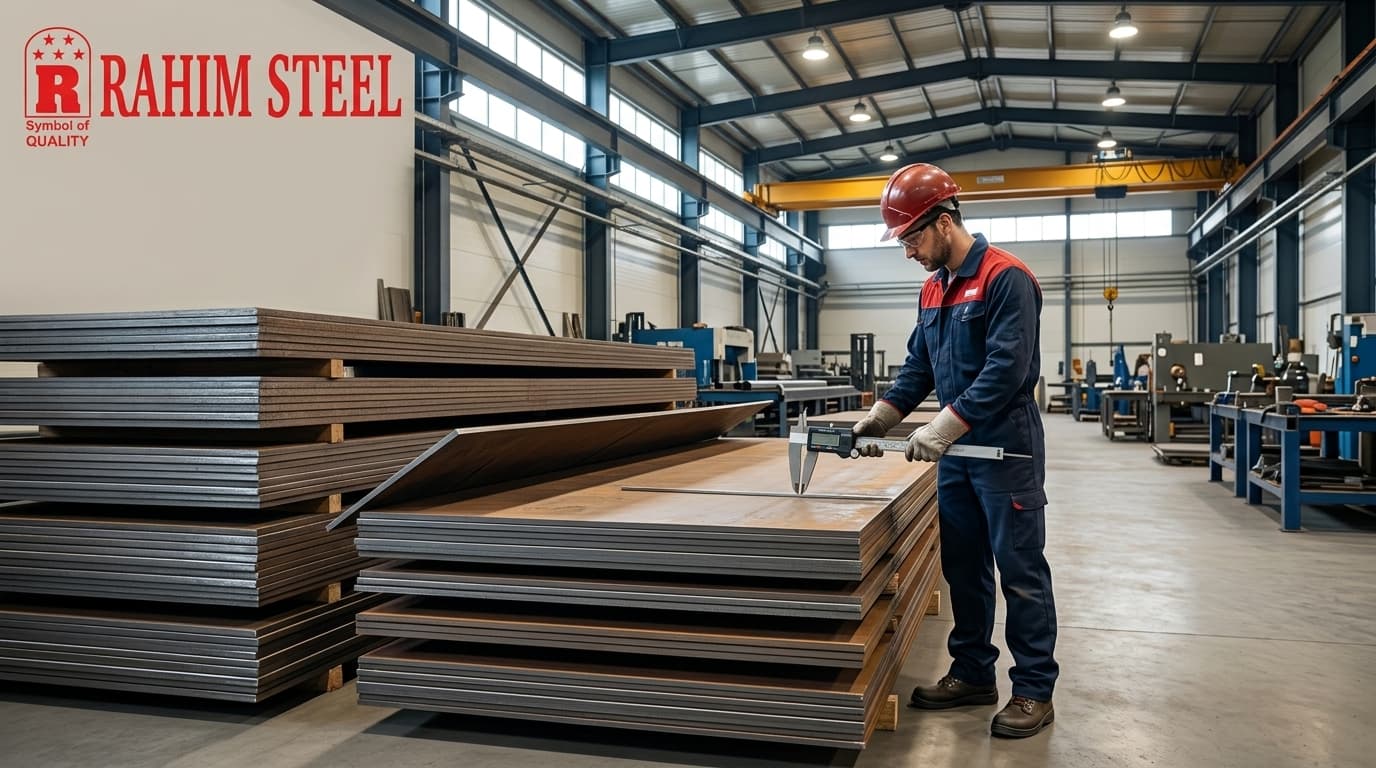
Flat MS Plate Grade 50: Strength for Structural Projects | Rahim Steel
Flat MS Plate Grade 50: Strength for Structural Projects
Looking for a steel plate that can handle demanding structural and fabrication work? Flat MS plate in Commercial Grade 50/A-529 offers a minimum yield strength of 345 MPa (50 ksi), with weldability and formability suited to many industrial applications. Rahim Steel’s plate is made to ASTM A529 Grade 50 requirements, according to the product information provided by the company.
What Makes Flat MS Plate Grade 50 Suitable for Structural Work?
Grade 50 is a high-strength carbon-manganese structural steel specification. ASTM describes A529 as covering steel shapes, plates, and bars for riveted, bolted, or welded building construction and general structural use. Grade 50 has a specified minimum yield strength of 345 MPa (50 ksi), subject to the standard’s applicable product and thickness requirements.
Rahim Steel lists the plate’s tensile strength as 485–690 MPa, minimum elongation as 18%, and maximum carbon content as 0.27%. The combination of strength and weldability can make it a practical option for projects that need a structural plate that can also be cut, joined, and fabricated. Always check the latest material certificate and project specification before placing an order.
A plate’s grade alone does not determine whether it is right for a job. The engineer or fabricator should also confirm the required thickness, dimensions, design loads, connection details, and applicable code. For projects with formal inspection or traceability requirements, verify that the supplied plate’s documentation matches the order and the design documents.
Rahim Steel says its plates undergo quality testing and are supplied with material certificates. Its product page describes the Grade 50/A-529 plate as hot-rolled carbon-manganese steel intended for structural and mechanical applications.
Where Can You Use a Flat MS Plate?
The right application depends on design requirements, plate dimensions, and fabrication details. Rahim Steel lists these uses for its Commercial Grade 50/A-529 plate:
- Structural building frames and columns.
- Bridge and flyover components.
- Heavy machinery base plates and parts.
- Shipbuilding and marine structures.
- Trailers, cranes, and earth-moving equipment.
- Industrial platforms, supports, and frames.
- General engineering and fabrication work.
- Pressure vessels and storage tanks.
For pressure-retaining service, do not assume a structural grade is suitable just because the plate is strong or weldable. The design code, service conditions, inspection requirements, and material specification must all allow its use. Confirm that with the responsible engineer before fabrication.
The same care applies to bridges, lifting equipment, and other safety-critical structures. The plate specification is one part of the decision. Thickness tolerance, weld procedure, joint design, corrosion protection, and the quality of installation also matter.
Rahim Steel’s product information describes a controlled production process that includes steel refining, continuous casting, reheating, hot rolling, cooling, cutting, finishing, and inspection. These stages help produce plates to specified dimensions and mechanical properties, but buyers should still review the documentation for the actual supplied material.
When planning a project, share the required grade, thickness, plate size, quantity, and intended use with the supplier. This makes it easier to check availability and confirm whether the product matches the design. If a project requires a particular test, certificate, or standard edition, mention it when requesting a quote.
How to Select and Order the Right Plate
Start with the drawings or material schedule. Confirm that they call for ASTM A529 Grade 50, then check the required dimensions and thickness. ASTM’s published scope and tables specify product limits by form and thickness, so the grade name by itself may not answer every design question.
Before ordering, check these details:
- Grade & standard: Confirm that the project specifies ASTM A529 Grade 50 and that the supplier’s documentation identifies the supplied material accordingly.
- Dimensions: Provide the plate thickness, width, and length, along with any cutting or leveling requirements.
- Quantity: State the number of plates or total required weight.
- Documentation: Ask for the material certificate and confirm which test results or traceability details are needed.
- Fabrication needs: Tell the supplier about cutting, welding, drilling, or other planned work.
- Delivery & availability: Confirm stock, lead time, transport, and delivery location before scheduling fabrication.
Rahim Steel’s product page provides “Request Quote” and “Contact Sales” options through its contact page. You can contact the sales team with your specifications to ask about price, availability, and delivery.
Rahim Steel’s history, as supplied in the company information, includes the start of mild steel commercial plate production in 2003. That background may help buyers understand the company’s experience, but the decision should still rest on the current product specification, project requirements, and material documents.
Frequently Asked Questions
What is the minimum yield strength of Rahim Steel Grade 50/A-529 plate?
Rahim Steel lists a minimum yield strength of 345 MPa (50 ksi). The applicable standard requirements can depend on product form and thickness, so check the project specification and certificate.
Is this plate suitable for welding?
Rahim Steel describes the plate as having good weldability. The welding procedure should still be selected for the specific material, thickness, joint, and project requirements.
What is the plate’s tensile strength?
The product information lists tensile strength of 485–690 MPa and minimum elongation of 18%. Ask for the material certificate for the supplied plate’s documented results.
Can I use it for a pressure vessel or storage tank?
Rahim Steel lists pressure vessels and storage tanks among possible applications. Confirm suitability with the design engineer and the governing code before ordering, since structural-grade material is not automatically acceptable for every pressure-retaining design.
What should I include in a quote request?
Include grade, thickness, width, length, quantity, delivery location, required documents, and any cutting or fabrication needs. This gives the sales team the details needed to respond clearly.
Need a quote for your project?
Contact Rahim Steel with the plate size, quantity, and required documentation to check availability and pricing.
Need Steel Experts?
We have our own team of civil and architectural professionals ready to assist you. Just share your requirements with our experts — we’ll be happy to serve you with the right solutions, exactly as you need.
Contact Our Experts