
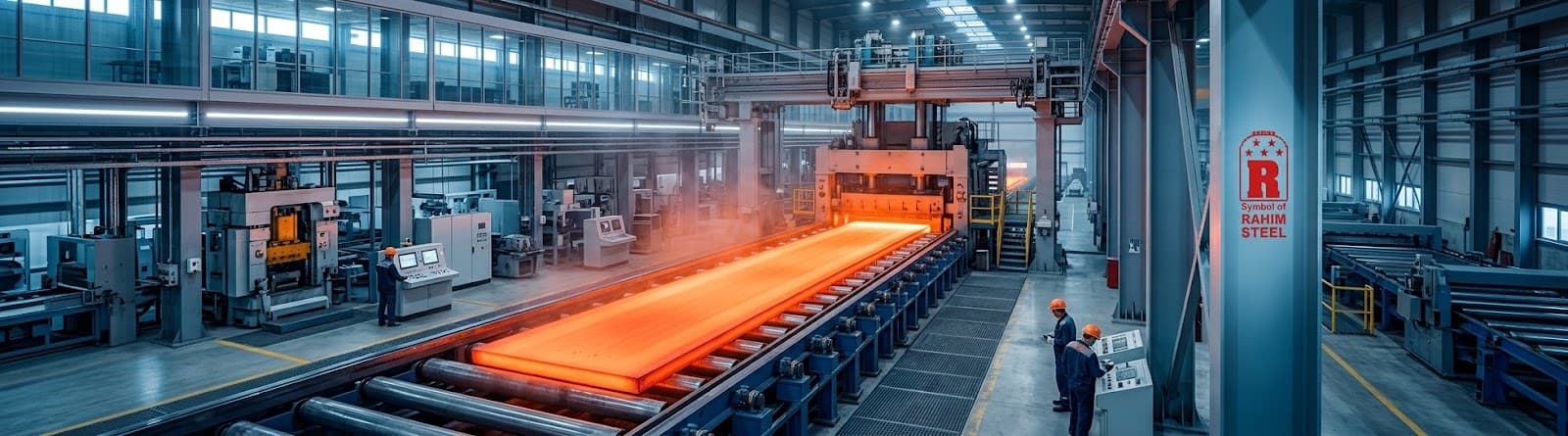
Rahim Steel: Quality Steel Products for Strong and Durable Construction in Bangladesh
Rahim Steel: Quality Steel Products for Strong and Durable Construction in Bangladesh
In Bangladesh’s rapidly growing construction sector, a building’s structural longevity and safety depend fundamentally on the quality of steel products embedded within it. Whether pouring deep foundations, casting critical load-bearing columns, erecting heavy beams, or laying floor slabs, choosing certified, high-grade steel is an indispensable engineering decision.
With over six decades of industry experience and pioneering contributions to domestic heavy industry, Rahim Steel Mills stands as one of the most recognizable and trusted names in Bangladesh’s steel sector.
Before breaking ground, developers, contractors, and homebuilders frequently inquire about the steel manufacturing price in Bangladesh. However, the cost of steel is never a static figure it varies by product type, gauge/dimension, engineering specification, order volume, and prevailing raw-material market conditions. Therefore, securing an accurate quotation must always go hand-in-hand with an evaluation of product quality and structural engineering requirements.
Rahim Steel: Legacy, Evolution & Product Portfolio
The journey of Rahim Steel Mills began in 1958 with the establishment of National Foundry in Shyampur, Dhaka. In its early days, the company manufactured essential iron and municipal castings including handloom pinions, cast-iron pipes, manhole covers, and cisterns. Through persistent industrial expansion, it developed into one of the country's most formidable steel manufacturing conglomerates.
A landmark milestone occurred in 1968, when Rahim Steel commissioned Bangladesh's very first re-rolling mill, setting the benchmark for domestic re-bar production. In 1983, the establishment of Rahim Steel Mills Co. (Pvt) Ltd. expanded operations into shipbreaking and secondary steelmaking, creating an integrated manufacturing ecosystem.
Today, Rahim Steel supplies essential steel products to major infrastructure, commercial, and industrial construction projects nationwide. From subsurface foundation footings to complex superstructure framing, its portfolio provides engineered solutions tailored to modern design demands.
Why Material Quality Comes First in Foundation & Frame
A building’s foundation is the bedrock of its entire structural system. Ensuring optimal load-bearing strength across columns, beams, and slabs requires steel that meets stringent yield strength, ductility, and fatigue-resistance standards. Prioritizing certified material quality and engineering compatibility over short-term price cuts is vital for long-term safety.
Why Consider Rahim Steel for Your Project?
Over decades of dedicated manufacturing, Rahim Steel has solidified its reputation as an industrial pioneer. Today, the company operates as Bangladesh’s dedicated MS plate mill while standing as a leading domestic producer of essential steelmaking raw materials.
Key Factors to Evaluate When Procuring Steel:
Product Quality & Technical Specifications: Compliance with national (BDS/BNBC) and international (ASTM) standards.
Structural Strength & Ductility: High yield strength combined with necessary elongation for seismic resistance.
Engineering Compatibility: Accurate matching of steel types with structural design drawings.
Tonnage & Supply Consistency: Reliable fulfillment of required batch quantities without project delays.
Supplier Legacy & Reliability: Demonstrated performance in both public infrastructure and private commercial developments.
Transparent Commercial Pricing: Realistic, competitive quotations based on verified specifications.
Engineering Principle:
For foundation and critical load-bearing work, never substitute cheaper, uncertified steel for specified engineering grades. The long-term safety and structural durability of the building far outweigh minor upfront savings.
Leadership Vision & Industrial Heritage
Rahim Steel’s growth is inextricably linked to the birth of Bangladesh’s shipbreaking and domestic steel industries:
“Rahim Steel started in the year of Bangladesh’s first ship breaking. The Founder Chairman, Mr. Abdur Rahim, officially started Bangladesh’s first professional ship-breaking operation in 1983. As a pioneer, he aimed to ensure a sustainable supply of raw materials for the country’s steel industry.”
From a small-scale foundry employing just 30 workers in 1958, Rahim Steel has grown into an industrial enterprise spanning over 100 acres and providing employment to more than 6,000 skilled professionals. The organization places continuous emphasis on environmental sustainability, quality control, workforce development, and community impact.
How to Procure and Implement Rahim Steel Products in Construction
Before procuring steel for your building project, review your structural engineering drawings to determine the exact product types, bar grades, plate dimensions, and total tonnage required.
Once your Bill of Quantities (BOQ) is finalized, reach out directly through Rahim Steel’s authorized commercial channels to confirm current product availability, technical documentation, and pricing. Requesting a direct, official quotation is the most reliable way to budget accurately.
When assessing the steel manufacturing price in Bangladesh, look beyond base per-ton rates: factor in transit logistics, site unloading capabilities, batch delivery timelines, and Mill
Test Certificates (MTC).
Recommended 7-Step Workflow for Foundation & Structural Work
The foundation transfers the entire dead and live load of the structure into the soil. Following a disciplined, engineer-led process ensures uncompromising structural integrity:
Quality Inspection
Soil Test⟶Structural Design⟶Foundation Planning⟶Steel Selection⟶Reinforcement Work⟶Concrete Work⟶Quality Inspection
Soil Investigation: Conduct comprehensive geotechnical testing to determine soil bearing capacity.
Structural Design: Certified structural engineers calculate load paths, column moments, and steel requirements.
Foundation Detailing: Plan footing dimensions, mat foundations, or pile caps based on engineering data.
Steel Selection: Procure certified steel matching the exact grades and diameters specified in the design.
Reinforcement Placement: Ensure correct re-bar tying, clear concrete cover, and lap-length splices.
Concrete Placement: Maintain proper water-cement ratios and thorough mechanical vibration during casting.
Quality Inspection: Verify curing schedules and test compressive strength cylinders at standard intervals.
Conclusion
Constructing an enduring, resilient building requires far more than aesthetic architectural drawings; it demands uncompromising material selection across every structural phase—from ground foundations to roof slabs. With more than 65 years of manufacturing heritage, pioneering raw-material supply chains, and extensive manufacturing infrastructure, Rahim Steel remains a cornerstone of Bangladesh’s construction industry.
Before purchasing materials for your next project, review your engineer’s specifications, confirm required quantities, and verify test documentation alongside the latest commercial quotation. Prioritizing certified engineering quality over short-term savings is the surest foundation for structural safety and long-term investment value.
Frequently Asked Questions (FAQ)
Q1: What is the background of Rahim Steel?
A: Rahim Steel Mills is one of Bangladesh’s oldest and most established steel manufacturers, beginning its journey in 1958 as National Foundry and commissioning the country's first re-rolling mill in 1968.
Q2: Can Rahim Steel products be used in residential and commercial building construction?
A: Yes. Rahim Steel manufactures products suitable for residential buildings, commercial high-rises, industrial factories, and heavy national infrastructure in full accordance with structural engineering designs.
Q3: How can I find the current price of Rahim Steel products?
A: Because steel rates vary with market conditions, the most accurate method is to submit your required product specifications, sizes, and batch volume directly to Rahim Steel’s official sales desk for an official commercial quotation.
Q4: Why is steel quality so critical in foundation work?
A: The foundation bears and transfers the entire gravity, seismic, and wind loads of the building to the underlying soil. Using substandard steel in foundation footings or piles risks structural settlement, cracking, and potential building collapse.
Q5: What causes steel manufacturing prices in Bangladesh to fluctuate?
A: Steel prices vary based on international scrap and billet rates, currency exchange fluctuations, energy costs, transportation fees, order volume, and local supply-demand balances.
Need Steel Experts?
We have our own team of civil and architectural professionals ready to assist you. Just share your requirements with our experts — we’ll be happy to serve you with the right solutions, exactly as you need.
Contact Our Experts